Gradient Enhanced Neural Networks for Optimization of Mars Low Reynold Number Airfoil
A surrogate-modeling approach that uses gradient-enhanced neural networks to accelerate low-Reynolds-number airfoil optimization.
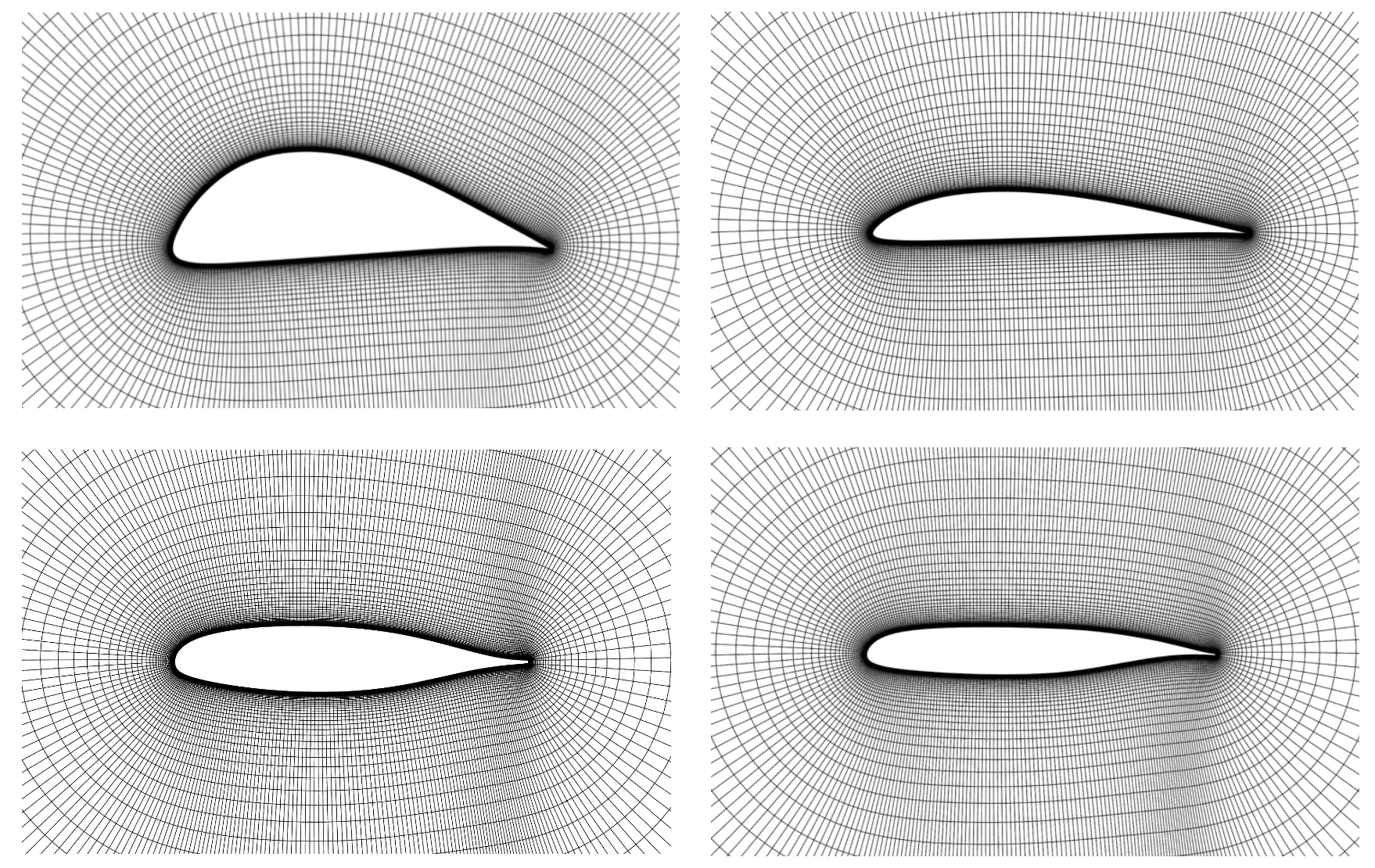
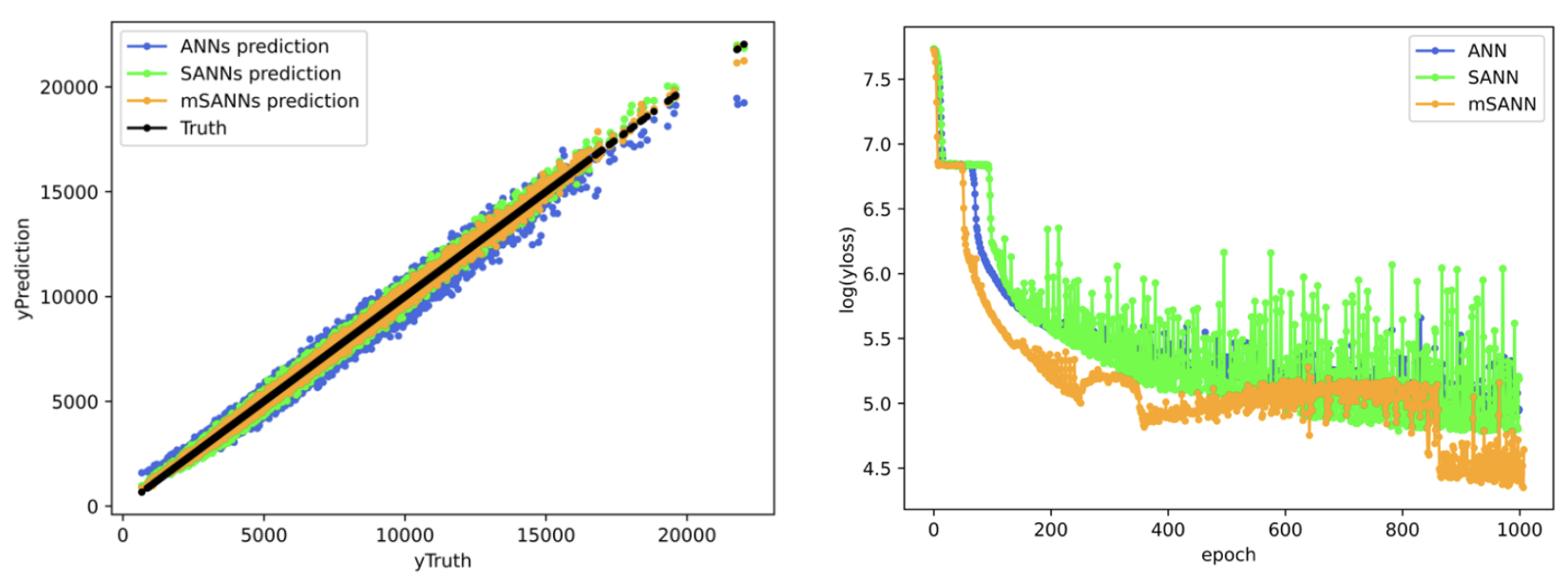
This project uses an improved gradient-enhanced neural network as a surrogate model instead of CFD simulation to predict aerodynamic parameters of airfoils. We compared traditional neural networks, gradient-enhanced neural networks, and improved gradient-enhanced neural networks to evaluate prediction performance and convergence speed.
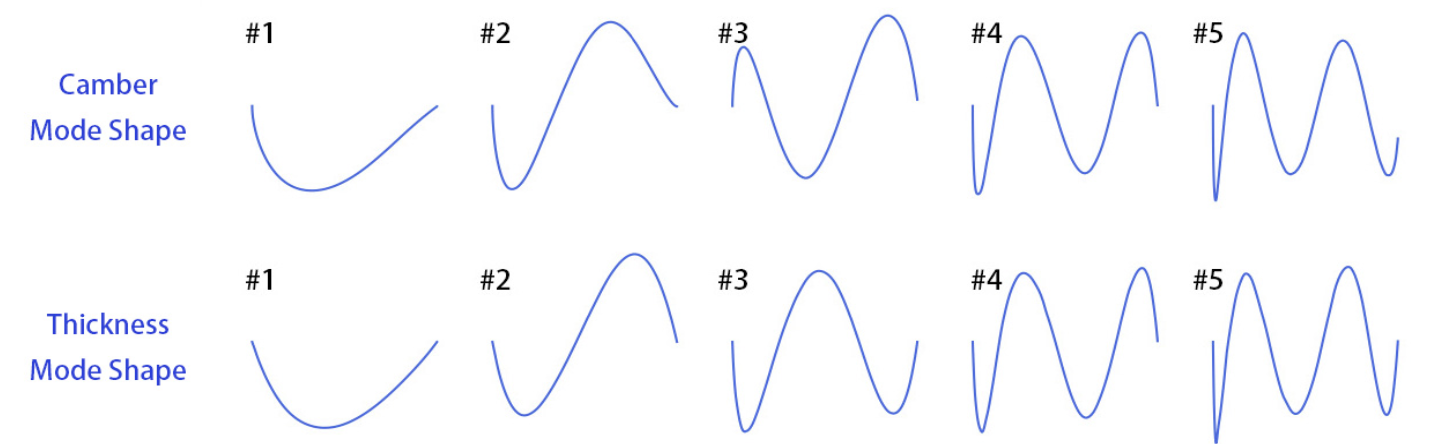
For preprocessing, singular value decomposition was used to parameterize airfoils into modes and modal coefficients. Inverse-distance-weighted interpolation was used to construct a constraint function for modal coefficients and exclude abnormal airfoils.
Latin hypercube sampling was used to generate airfoil samples, and ADflow was used to calculate aerodynamic parameters and derivatives. The trained surrogate model was coupled with an optimization package for airfoil aerodynamic optimization. Compared with high-fidelity CFD-based optimization, the result was similar while the optimization time was greatly reduced.